Back to Blog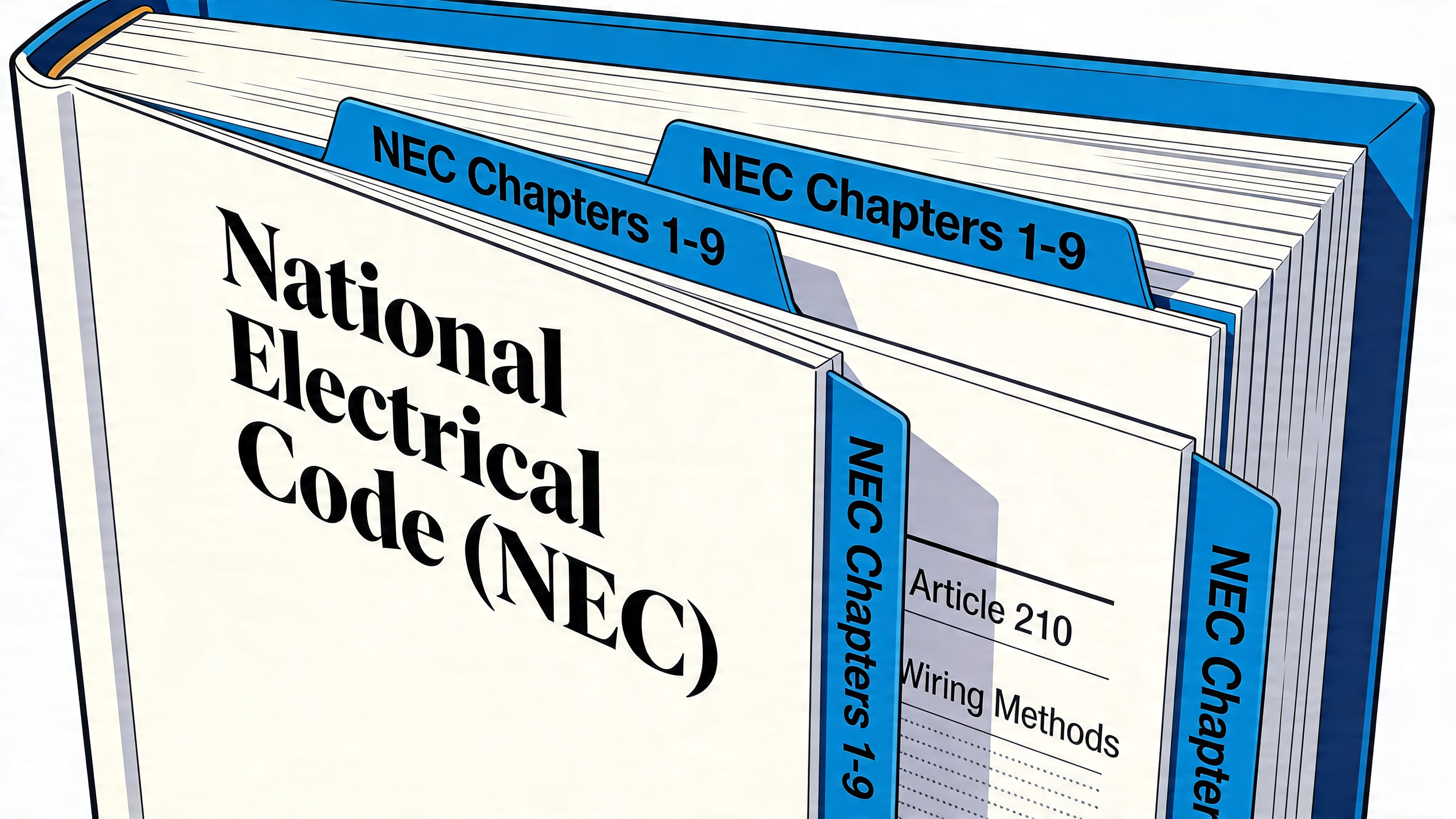
Ten years, ten+ NEC insertions
You don’t just walk into the National Electrical Code and ask for a line. It takes years of proposals, testing, committee review, and public comments.
Here’s what SKYX has actually achieved:
Their weight‑supporting plug‑and‑play ceiling outlet has been written into about ten segments of the NEC under a generic name for a weight‑supporting ceiling receptacle.
Analysts and company materials describe it as one of the most significant NEC additions in decades, because it introduces a new category of safe, standardized ceiling connection.
Translation: this isn’t a private spec. This is now part of the national rulebook electricians, inspectors, and engineers live by.
ANSI, NEMA, UL, NFPA: real standards, not marketing
On top of NEC work, SKYX chased approvals from the bodies that define and enforce safety for electrical hardware:
ANSI and NEMA: SKYX’s specs have been voted and approved by these standards organizations, which cover much of the U.S. electrical and building products industry.
UL and NFPA: SKYX references approvals and alignment with UL testing and NFPA fire-safety frameworks as part of its platform rollout.
Why this matters:
Anyone can claim “safer” in a brochure.
Getting ANSI, NEMA, UL, NFPA, and NEC in alignment means the system survived independent scrutiny from people whose job is to say “no” by default.
That’s not hype. That’s infrastructure work.
AIA and architects: changing the blueprint, not just the job site
It’s one thing to show up on an electrician’s radar. It’s another thing to get into the heads of the people who draw the buildings.
SKYX secured approval from the American Institute of Architects (AIA) for a continuing education course that teaches architects about the safety, speed, and design implications of plug‑and‑play ceiling outlets. That course is available to tens of thousands of architects, many of whom need continuing education to maintain their licenses.
If you want to change the ceiling standard, this is how you do it:
First, you get the hardware into the codes and standards.
Then, you get it into the curriculum of the people who design the next generation of buildings.
That’s long‑game thinking.
CPSC, ladder falls, and the real-world problem set
SKYX also took its case directly to the U.S. Consumer Product Safety Commission:
Public meeting logs show SKYX presenting its platform to the CPSC, focusing on electrical/mechanical risks, ladder falls, and fire hazards from traditional ceiling installs.
They brought data on ladder falls, electrical incidents, and mechanical failures in existing ceiling solutions—arguing that a plug‑and‑play, weight‑supporting outlet can materially reduce those risks. Again, this is not a typical small‑cap “story stock” move. This is what you do when you’re trying to move the safety baseline for an entire category.
Filing for mandatory NEC standardization
After years of working within the system, SKYX went a step further:
In 2023, they filed for mandatory safety standardization of the NEC for their ceiling outlet system, arguing that it should be required—not just allowed—due to its safety benefits. That filing relied heavily on national statistics on fires, electrocutions, shocks, and falls associated with traditional ceiling wiring and fan/light attachments.
Will the NEC make it mandatory?
SKYX1-6 Series · Part 3 of 6
View full seriesSKYX Part 3: The Grind – A Decade of Codes, Standards, and Why the Language Still Sounds So Tame
If Parts 1 and 2 are about the problem and the solution, Part 3 is about the grind: the boring, brutal work SKYX had to do to get this platform written into the rulebook. This is the part most small caps never do. It’s also why I don’t see SKYX as “just another gadget story.”
April 24, 2026
Ten years, ten+ NEC insertions
You don’t just walk into the National Electrical Code and ask for a line. It takes years of proposals, testing, committee review, and public comments.
Here’s what SKYX has actually achieved:
Their weight‑supporting plug‑and‑play ceiling outlet has been written into about ten segments of the NEC under a generic name for a weight‑supporting ceiling receptacle.
Analysts and company materials describe it as one of the most significant NEC additions in decades, because it introduces a new category of safe, standardized ceiling connection.
Translation: this isn’t a private spec. This is now part of the national rulebook electricians, inspectors, and engineers live by.
ANSI, NEMA, UL, NFPA: real standards, not marketing
On top of NEC work, SKYX chased approvals from the bodies that define and enforce safety for electrical hardware:
ANSI and NEMA: SKYX’s specs have been voted and approved by these standards organizations, which cover much of the U.S. electrical and building products industry.
UL and NFPA: SKYX references approvals and alignment with UL testing and NFPA fire-safety frameworks as part of its platform rollout.
Why this matters:
Anyone can claim “safer” in a brochure.
Getting ANSI, NEMA, UL, NFPA, and NEC in alignment means the system survived independent scrutiny from people whose job is to say “no” by default.
That’s not hype. That’s infrastructure work.
AIA and architects: changing the blueprint, not just the job site
It’s one thing to show up on an electrician’s radar. It’s another thing to get into the heads of the people who draw the buildings.
SKYX secured approval from the American Institute of Architects (AIA) for a continuing education course that teaches architects about the safety, speed, and design implications of plug‑and‑play ceiling outlets. That course is available to tens of thousands of architects, many of whom need continuing education to maintain their licenses.
If you want to change the ceiling standard, this is how you do it:
First, you get the hardware into the codes and standards.
Then, you get it into the curriculum of the people who design the next generation of buildings.
That’s long‑game thinking.
CPSC, ladder falls, and the real-world problem set
SKYX also took its case directly to the U.S. Consumer Product Safety Commission:
Public meeting logs show SKYX presenting its platform to the CPSC, focusing on electrical/mechanical risks, ladder falls, and fire hazards from traditional ceiling installs.
They brought data on ladder falls, electrical incidents, and mechanical failures in existing ceiling solutions—arguing that a plug‑and‑play, weight‑supporting outlet can materially reduce those risks. Again, this is not a typical small‑cap “story stock” move. This is what you do when you’re trying to move the safety baseline for an entire category.
Filing for mandatory NEC standardization
After years of working within the system, SKYX went a step further:
In 2023, they filed for mandatory safety standardization of the NEC for their ceiling outlet system, arguing that it should be required—not just allowed—due to its safety benefits. That filing relied heavily on national statistics on fires, electrocutions, shocks, and falls associated with traditional ceiling wiring and fan/light attachments.
Will the NEC make it mandatory?
Nobody can promise that today. But the attempt itself tells you how SKYX thinks:
They’re not trying to be a cute accessory.
They’re trying to become the default way we wire ceilings.
The NEC language problem: why it still sounds so tame
Here’s the comical part—and you nailed this:
After 10+ years of hoop‑jumping with NEC, ANSI, NEMA, UL, NFPA, AIA, and even the CPSC, you still won’t find a juicy NEC press line that says:
“This platform is faster and safer by a wide margin.”
Instead, you get:
Technical definitions.
Regulators and standards bodies are cautious. They adopt new methods carefully and speak in neutral, committee‑approved paragraphs.
Result:
The technical win is huge—NEC entries, standards approvals, architect education.
What Part 3 really means
Put all this together, and Part 3 says:
SKYX did the hard, boring work: NEC insertions, standards approvals, architect education, and regulator engagement. They’ve been at it for over a decade, quietly grinding while most small caps chase the next flashy headline.
The reason the public language still sounds tame is not that the product is marginal—it’s because the rulebook speaks in code paragraphs, not plain English. In other words, the ceiling platform has already earned its place in the conservative world of codes and standards. The narrative just hasn’t caught up yet.
They’re not trying to be a cute accessory.
They’re trying to become the default way we wire ceilings.
The NEC language problem: why it still sounds so tame
Here’s the comical part—and you nailed this:
After 10+ years of hoop‑jumping with NEC, ANSI, NEMA, UL, NFPA, AIA, and even the CPSC, you still won’t find a juicy NEC press line that says:
“This platform is faster and safer by a wide margin.”
Instead, you get:
Technical definitions.
- Code sections that describe what is permitted, required, or recommended.
- Dry language about “mitigating risk” and “improved safety” is buried in filings and meeting logs.
- That’s not because SKYX’s safety case is weak. It’s because:
- Codes don’t do marketing. They define compliance, not marketing slogans.
Regulators and standards bodies are cautious. They adopt new methods carefully and speak in neutral, committee‑approved paragraphs.
Result:
The technical win is huge—NEC entries, standards approvals, architect education.
- The optics look muted, because there’s no simple headline saying “this is clearly better by X%.”
- That gap between what the paperwork actually means and how it sounds is a big part of why Wall Street still mislabels SKYX as a quirky hardware play.
What Part 3 really means
Put all this together, and Part 3 says:
SKYX did the hard, boring work: NEC insertions, standards approvals, architect education, and regulator engagement. They’ve been at it for over a decade, quietly grinding while most small caps chase the next flashy headline.
The reason the public language still sounds tame is not that the product is marginal—it’s because the rulebook speaks in code paragraphs, not plain English. In other words, the ceiling platform has already earned its place in the conservative world of codes and standards. The narrative just hasn’t caught up yet.
Disclaimer
This content is for information and education only and is not financial, legal, or investment advice. Nothing here is a recommendation to buy, sell, or hold any security, including SKYX Platforms.
I own shares of SKYX Platforms and may buy or sell at any time without notice. My views may change as I learn more, and my personal trading may differ from anything discussed here.
I have provided consulting services to SKYX Platforms in the past and may do so in the future, but that relationship does not change my opinions or analysis. SKYX has not paid for, reviewed, or approved this content.
Some examples and forward-looking ideas in this piece are my own speculation based on public information, not promises, guarantees, or official statements from SKYX Platforms. Always do your own research and consider talking with a qualified financial professional before making investment decisions.
This content is for information and education only and is not financial, legal, or investment advice. Nothing here is a recommendation to buy, sell, or hold any security, including SKYX Platforms.
I own shares of SKYX Platforms and may buy or sell at any time without notice. My views may change as I learn more, and my personal trading may differ from anything discussed here.
I have provided consulting services to SKYX Platforms in the past and may do so in the future, but that relationship does not change my opinions or analysis. SKYX has not paid for, reviewed, or approved this content.
Some examples and forward-looking ideas in this piece are my own speculation based on public information, not promises, guarantees, or official statements from SKYX Platforms. Always do your own research and consider talking with a qualified financial professional before making investment decisions.
← Previous in SKYX1-6 Series SeriesPart 2: SKYX Part 2: The Solution – Turning the Ceiling Into a Safe, Smart PlatformNext in SKYX1-6 Series Series →Part 4: SKYX Article 4: The World Gets It Before We Do
Join The Wave
Get Early Access & Exclusive Intel
The Watchlist. Full deep-dives. Monthly Wave Room. Early video access. Everything serious impact investors need — before the crowd catches on.
Free. Unsubscribe anytime. By subscribing you agree to our Privacy Policy.